
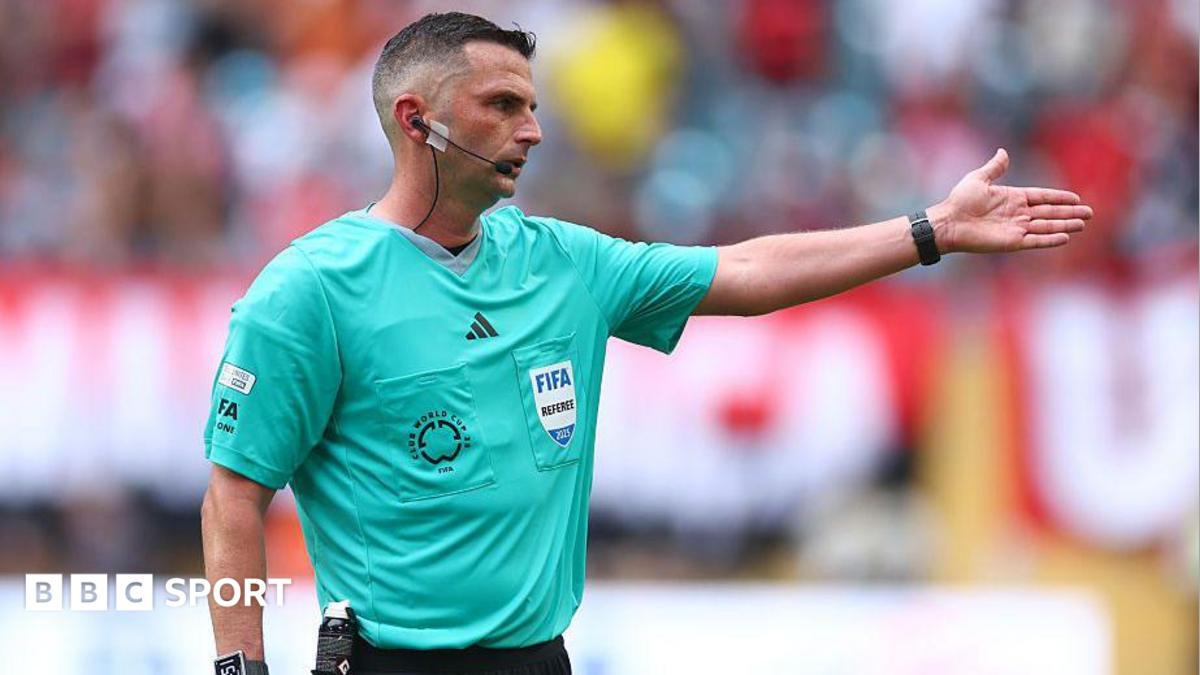
كأس العالم 2026: شرح التغييرات في القوانين - تقنية الفيديو، إضاعة الوقت والبدلاء
ستشهد كأس العالم 2026 تغييرات مهمة في القوانين تهدف إلى تحسين سير المباراة وتقليل إضاعة الوقت، بما في ذلك بروتوكولات جديدة لتقنية الفيديو وقوانين أكثر صرامة بشأن التبديلات.
ستكون كأس العالم 2026 غير مسبوقة لعدة أسباب، ومن بينها العدد الكبير من تغييرات القوانين التي تم اعتمادها. قدمت الفيفا 11 إجراءً جديداً خصيصاً لهذه البطولة. حيث يسعى بييرلويجي كولينا، رئيس الحكام، إلى تسريع المباريات وتقليل الأخطاء التي قد تؤثر على نتائج المباريات. ولكن يجب أن تتعود على هذه القوانين الجديدة، حيث سيتم تطبيق معظمها في الدوري الإنجليزي ودوري كرة القدم الإنجليزي والدوري الاسكتلندي الموسم المقبل.
تشمل التغييرات الجديدة إجراءات لتوفير الوقت خلال ركلات المرمى ورميات التماس وتبديلات اللاعبين. يعد ضبط إضاعة الوقت من أبرز القضايا التي ركز عليها كولينا لعدة سنوات. في كأس العالم 2022 في قطر، طلب من الحكام أن يكونوا دقيقين في احتساب الوقت الإضافي. حيث تجاوزت جميع المباريات الافتتاحية 100 دقيقة، مع إضافة 24 دقيقة عبر الشوطين في مباراة إنجلترا التي انتهت بفوزها 6-2 على إيران.
لذا، فإن الهدف في كأس العالم المقبلة هو التأكد من أن اللاعبين يستمرون في اللعب لتقليل الوقت المفقود. الفكرة ليست في التنفيذ الصارم، بل في تقديم تدابير رادعة لتغيير سلوك اللاعبين.
توقيت محدد لركلات المرمى ورميات التماس (خمسة ثوانٍ): إذا تأخر اللاعب في استئناف اللعب عمداً، قد تتحول ركلة المرمى إلى ركلة ركنية أو تُعطى الرمية للفريق المنافس. لن يبدأ العد عندما تخرج الكرة من الملعب؛ بل سيفعل الحكم ذلك إذا وجد اللاعب يأخذ وقتًا طويلاً. كجزء من هذه القاعدة، سيتعين على الحكام العد بصوت مرتفع كوسيلة للضغط على حراس المرمى الذين يأخذون وقتًا طويلاً.
تبديلات محددة بوقت (10 ثوانٍ): يُمنح اللاعبون الذين يتم تبديلهم 10 ثوانٍ لمغادرة الملعب من أقرب نقطة. إذا فشلوا في القيام بذلك، لا يمكن للاعب البديل دخول الملعب لمدة دقيقة على الأقل، ويتعين على الفريق اللعب بعشرة لاعبين. هناك بعض الاستثناءات إذا كان اللاعب مصابًا أو هناك مخاوف أمنية.
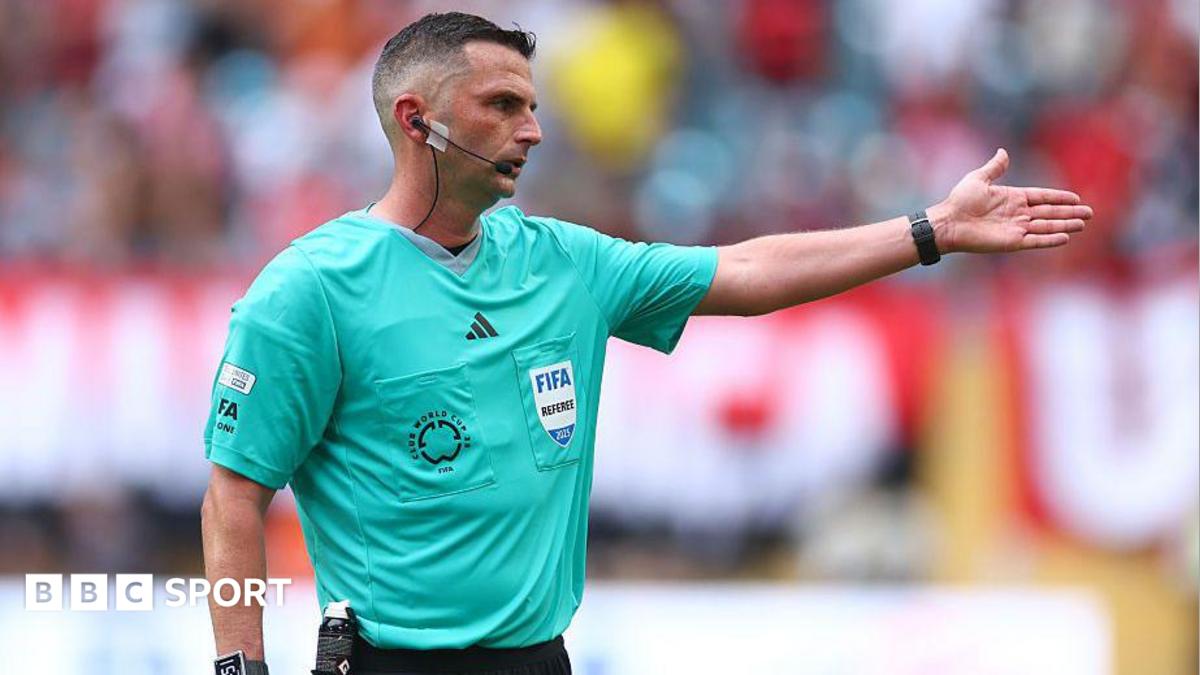
يتعين على اللاعبين الخروج لمدة دقيقة بعد العلاج: في السنوات القليلة الماضية، اعتاد مشجعو الدوري الإنجليزي ودوري كرة القدم الإنجليزي على بقاء اللاعبين خارج الملعب لمدة 30 ثانية بعد أن يتدخل المعالج. الآن تم زيادة المدة إلى دقيقة، وهذا ليس فقط لكأس العالم، بل سيكون في قوانين اللعبة أيضًا.
لا مزيد من التوقفات التكتيكية لحراس المرمى؟ لقد أصبحت "وقفات الحارس التكتيكية" موضوعًا ساخنًا في المواسم الأخيرة. حيث يُستخدمها المدربون لإعطاء تعليمات جديدة للاعبين أو للتأثير على زخم الفريق المنافس. أخبر كولينا المدربين من الفرق الـ48 المشاركة في كأس العالم أن اللاعبين سيمنعون من الذهاب إلى المنطقة الفنية عندما يتعرض حراس المرمى للإصابة.
تقنية الفيديو VAR: هناك أربع مجالات جديدة سيتم تغطيتها بواسطة تقنية الفيديو. من بين هذه المجالات التأكد من صحة ركلة الركنية، ومراجعة الطرد الثاني للاعبين، وإمكانية مراجعة الأخطاء المؤثرة قبل استئناف اللعب.
سلطات لمكافحة سلوك اللاعبين السيئ: تسعى الفيفا لتجنب تكرار حوادث تأديبية عالية المستوى، حيث يمكن للحكم الآن طرد اللاعب الذي يغطي فمه في موقف تصادمي. كما يمكن طرد اللاعب الذي يغادر الملعب للاحتجاج على قرار الحكم.
ستكون كأس العالم 2026 تجربة فريدة من نوعها، ويأمل المسؤولون أن تجعل هذه التغييرات اللعبة أكثر سلاسة وأقل تضييعًا للوقت.
Related Articles

تشيلسي: تود بوهلي ومالك آخر يوافقان على بيع حصص في النادي
وافق تود بوهلي ومدير تشيلسي مارك والتر على بيع حصتهما البالغة 25% إلى كلييرلاك كابيتال، مما يمهد الطريق لامتلاك كلييرلاك الكامل للنادي بقيمة تقدر بـ 5 مليارات جنيه إسترليني.
8h ago
صحفي: نونيز قد ينضم إلى صلاح في طرابزون
تسعى إدارة طرابزون سبور لتوقيع عقد مع داروين نونيز، لاعب ليفربول السابق، ليجتمع مجددًا مع محمد صلاح بعد انتقال الأخير إلى النادي التركي.
12d ago

اليوم في سباقات سكاي سبورتس: ففوس لاس، فونتويل وسيدجفيلد |
تستضيف سباقات اليوم أحداثًا مثيرة من ففوس لاس، فونتويل وسيدجفيلد، مع تركيز على الخيول المميزة مثل Withtearsinmyeyes وGraniteville.
14d ago